Skip to content

Cart

Your cart is empty

Article: Which wool doesn't itch? All about soft wool for babies and sensitive skin

Welke wol kriebelt niet? Alles over zachte wol voor baby’s en gevoelige huidjes
Alles over wol

Which wool doesn't itch? All about soft wool for babies and sensitive skin

“Doesn't wool always itch?” That's something we hear a lot. And honestly? We used to think so too.

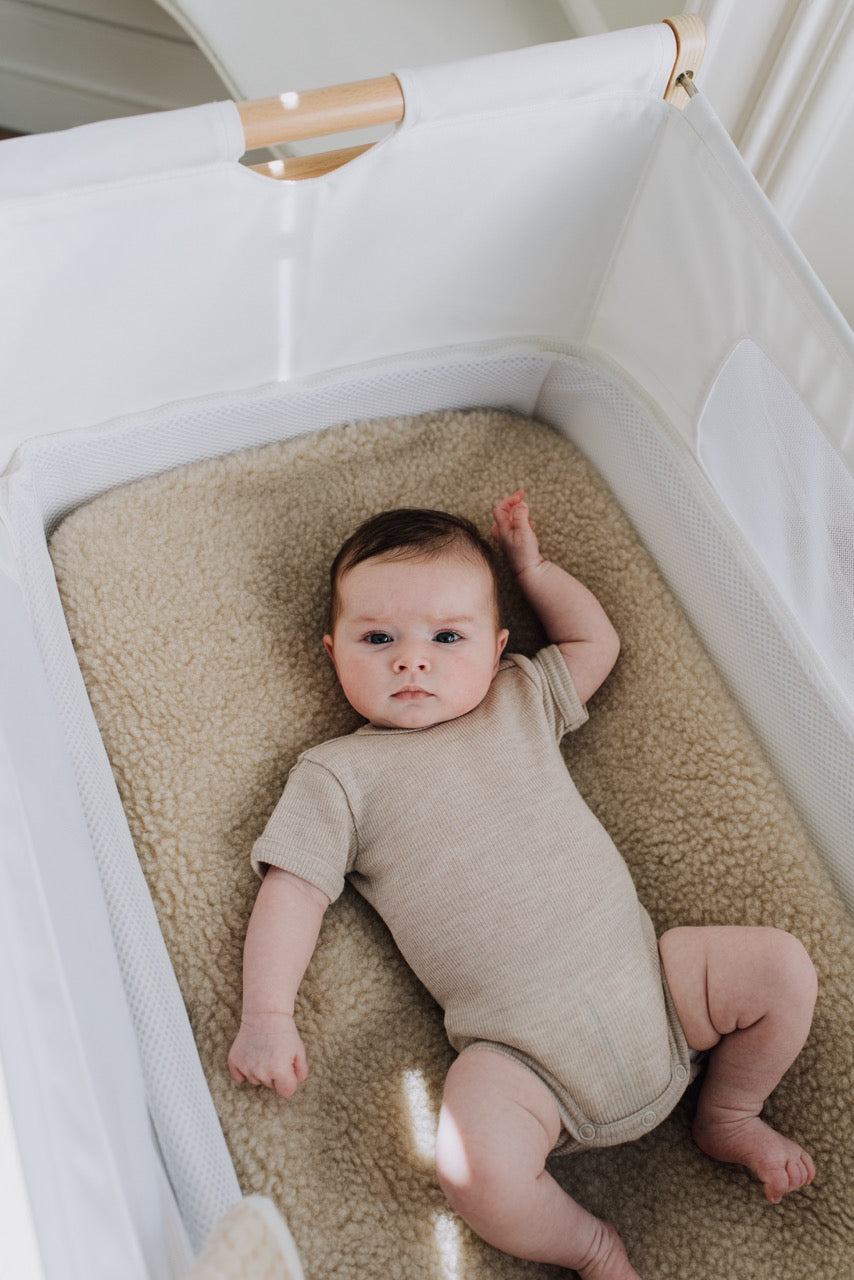
But not all wool is the same. Some types of wool feel incredibly soft and are especially suitable for sensitive skin, even for babies. Merino wool in particular is known for being soft and comfortable, which is why it's so often used for baby clothes and baby essentials.

In this blog, we explain:

  • Why some wool itches
  • Which wool itches the least
  • What to look for when choosing soft woollen clothing for your little one

Why does wool itch?

Whether wool itches mainly comes down to the thickness of the wool fibres. The thicker and coarser the fibres, the more likely the wool is to feel prickly on the skin.

That's why traditional sheep's wool in particular can feel a bit coarse. Finer types of wool, such as merino wool, feel much softer because the fibres are thinner and more supple.

From the outside in, the wool fibre consists of four layers:

  • The horny scale layer (cuticle)
  • An intermediate membrane (subcutis)
  • A bark layer (cortex)
  • The core (medulla)

For most people, wool starts to itch once the fibres are 0.028 mm thick or more. Sheep's wool is known for itching quickly. Want woollen clothing that itches as little as possible? Then check which type of wool the clothing is made from. Want less chance of itching? Go for merino, alpaca, lambswool or cashmere, for example.

You'll notice the difference especially with:

  • Babies with sensitive skin
  • Children who get warm quickly
  • People who usually think they “can't wear wool”

Which wool itches the least?

If you're looking for wool that feels soft and doesn't itch, these are the most comfortable types:

Merino wool

Merino wool is by far the most popular choice for babies.

Merino wool fibres are much finer than ordinary sheep's wool, so the material feels soft on the skin.

Alpaca wool

Alpaca wool is known for its soft, light structure. It feels comfortable and contains less lanolin than many other types of wool.

Cashmere

Cashmere is extremely soft and luxurious, but often more delicate and less practical for everyday use with babies.

Lambswool

Lambswool is softer than traditional sheep's wool and feels nicer on the skin.

Waarom merinowol zo fijn is voor baby’s

Babies can't yet regulate their body temperature properly by themselves. That's why it's important to choose materials that help keep warmth well balanced.

Merino wool helps with this in a natural way:

  • Warm when it's cold
  • Breathable when it's warm
  • Soft on delicate baby skin
  • Comfortable without feeling clammy.

That makes merino wool ideal for everyday use, on the go and during sleep.

Discover our wool pieces

Hoe wollen kleding minder kriebelend maken?

Didn't buy merino wool, or does a wool piece still feel a bit itchy? Luckily, there are a few simple ways to make wool feel softer and more comfortable.

1. Put your item in the freezer

Lightly dampen the wool item and put it in a plastic bag. Then leave it in the freezer for at least 24 hours. The cold makes the fibres contract, which can help reduce the itchy feeling. Afterwards, let the item thaw slowly, lying flat on a towel.

2. Wash wool with natural vinegar

Natural vinegar can help make wool softer. Wool is a natural, delicate fibre that doesn't respond well to harsh detergents. Vinegar cleans gently and helps keep the fibres in good condition. That way, wool items often stay soft and comfortable for longer.

3. Don't wear wool directly against the skin

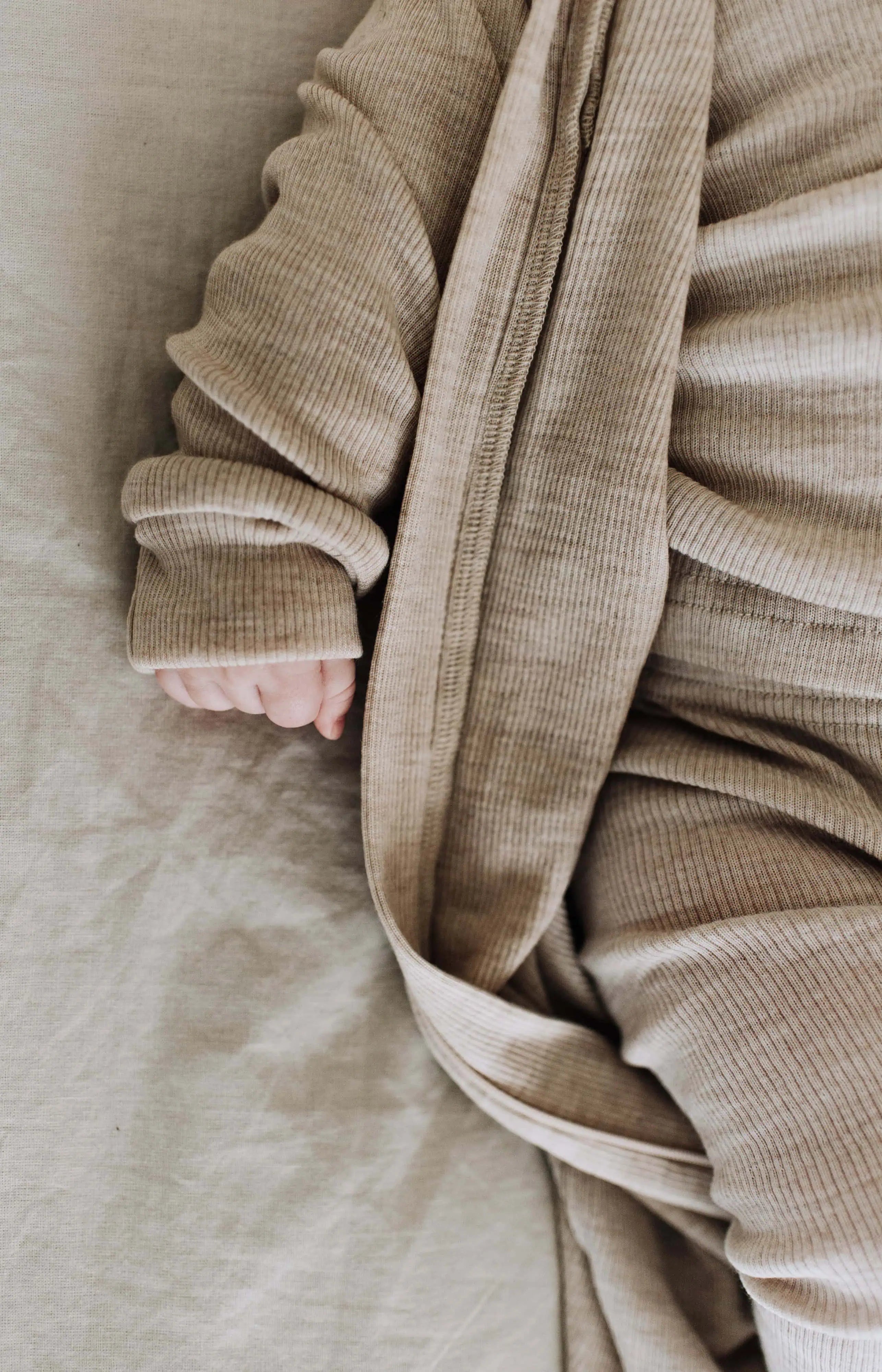
Does the wool still feel a little sensitive? Then an extra layer under the wool item can make a big difference. Think of a soft bodysuit or a thin cotton layer under wool clothing.

And when your little one sleeps on a wool fitted sheet, you can simply add an extra sheet or fitted sheet. That way your little one still benefits from wool's lovely temperature-regulating properties, while it stays soft and comfortable.

Want to keep the chance of itching as small as possible? Then merino wool is often a great choice. Thanks to its extra-fine fibres, merino wool feels much softer than traditional sheep's wool and is usually experienced as comfortable, even on delicate baby skin.

OUR MISSION

When we became parents ourselves, we discovered how special merino wool is: soft, breathable, temperature-regulating and so kind to delicate baby skin. Qualities every little one deserves.

That's why we lovingly make products that are not only comfortable and safe for your baby, but also sustainable and timeless.

FAQ

Frequently asked questions